
RIIHAN308F
Load and unload plant
course description
This unit describes the skills and knowledge required to load and unload plant. This unit applies to those working in site-based roles.
Prior to performing this activity, skills and knowledge should be developed for the individual plant. This can be achieved through completing the equivalent operator unit or being assisted by someone who has this knowledge. Refer to the Implementation Guide for further details.
training & assessment delivery
We use an online platform to deliver our resources and assessments. After you enrol, you will receive an invite from the platform, prompting you to log in. You will have access to the theory section right away. We recommend this is completed prior to attendance, however, you will have the opportunity to complete this with your trainer if preferred.
All practical training and assessment will be delivered in-person with your trainer. Tasks/forms relating to the practical elements will be released to you in the platform upon attendance.
If preferred, we can provide paper copies of all resources and assessments.
What you will learn & how you will be assessed
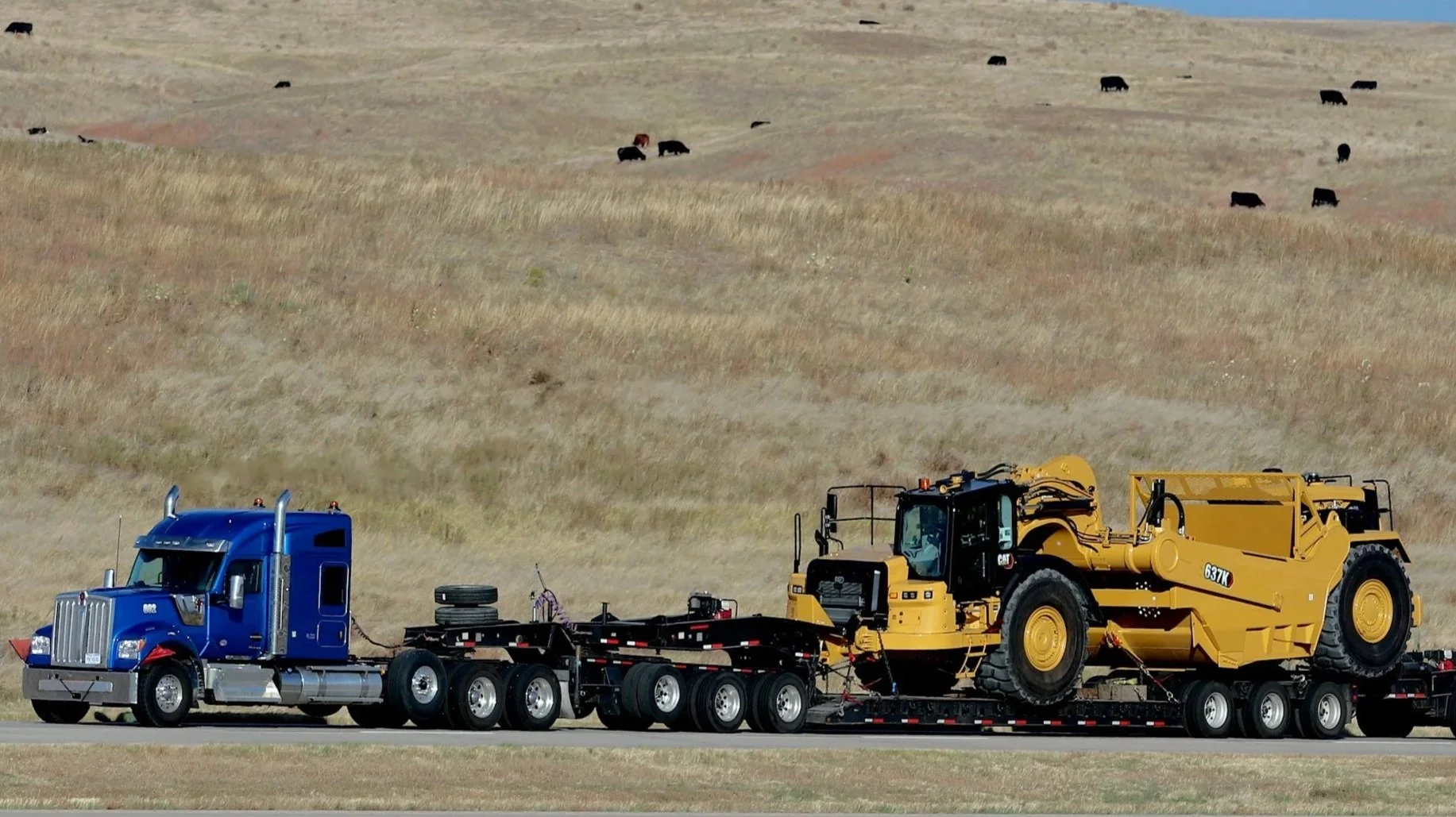
To successfully complete this unit, you will need to demonstrate that you can safely and competently load and unload mobile plant for transportation in a workplace environment.
You will be required to demonstrate your skills on at least two occasions, loading at least two different types of plant on each occasion, such as:
Excavators
Backhoes
Skid steers
Dozers
Loaders
Graders
Similar plant of comparable size and complexity
You must also demonstrate that you can:
Identify hazards, assess risks and apply safe work practices
Select and wear the required PPE
Check and use appropriate loading tools and equipment
Confirm loading areas are firm, level and free from hazards
Complete pre-start checks
Set up appropriate signage, barriers and exclusion zones
Confirm the plant is within the trailer or float's rated capacity
Safely move and position plant to ensure stable and even weight distribution
Correctly use ramps, tilt trays, low loaders and other loading aids
Secure plant using appropriate load-rated restraints and designated anchor points
Ensure the trailer or float's safety devices are functional
Maintain clear visibility and communicate effectively with spotters and other personnel
Follow site traffic management requirements and account for plant dimensions and weight distribution
Safely release and remove restraints during unloading
Respond appropriately to changing site conditions and hazards
Clean, stow and secure loading equipment, tools and attachments
Leave the work area clean and safe
Complete all required documentation, records and reports
You will need to demonstrate an understanding of:
Workplace procedures, legislation and standards for loading and unloading plant
Work health and safety (WHS) requirements
Requirements for preparing plant for transportation
Environmental requirements
Chain of Responsibility requirements
Site isolation and traffic control responsibilities
Appropriate PPE and its correct use
Required hand signals and communication methods
Basic principles of movement, restraint, centre of gravity and balance when transporting heavy plant
Types, uses and limitations of load restraint and securing equipment
Assessment will be conducted in a safe, relevant workplace environment using appropriate plant, a suitable trailer or float, loading aids, securing equipment, signage, barriers and PPE. You will need to demonstrate consistent and safe performance in realistic workplace conditions and in accordance with relevant workplace procedures, legislation, load restraint requirements, standards and manufacturer instructions.
Requirements & prerequisites
Participants will need to demonstrate sufficient Language, Literacy, Numeracy and Digital (LLND) skills. Please advise us if you have any LLND concerns or issues as support is available and adjustments can be made to ensure you are not disadvantaged in completing this course.
Participants will require a Unique Student Identifier (USI) number. If you have completed any Nationally Recognised Training from 2015 onwards, you may already have one. You can locate or create your USI number here.
Location
This course is delivered at 33 North Jindong Road, Carbunup.
There are multiple businesses operating at this facility, so students need to be mindful of traffic, follow the posted speed limits and follow signage directing to the training area.
Please contact us for on-site bookings.
Duration
The duration for this course is 4 hours.
Fees
Standard Fee: $370 | With CTF Rebate: $234
Please contact us to enquire about payment plan options.
Accreditation
Participants will be issued with a nationally recognised Statement of Attainment via email within 14 days of completing the course. Payment is required before any certification can be issued.
cancellation policy
We are a small business, and the costs to run our courses can be high. If you need to cancel or reschedule your booking, we need to be notified so we can make adjustments or invite another student to fill your spot. To view our full cancellation policy, please refer to our Student Handbook below.
Dress code
Students need to wear long-sleeved clothing and steel-capped boots. Hi-Vis vests, hard hats and ear protection will be provided where required.
how to enrol
Select the calendar to see our list of upcoming course dates. Select the course you would like to join and proceed with completing the enrolment form. You will then receive a booking confirmation email, followed by an invoice. If you cannot attend any of the listed dates, or don’t see the course you would like to book listed, please contact us so we can arrange a course for you.
We encourage you to read our Student Handbook and to contact us with any questions prior to enrolling.
Are you eligible for the CTF Rebate?

If you’re currently working in the civil construction industry, you may qualify for the CTF (Construction Training Fund) subsidy.
Please click below for more information on the CTF subsidy and to see if you qualify.