
CPCWHS1001
Prepare to work safely in the construction industry (white card)
course description
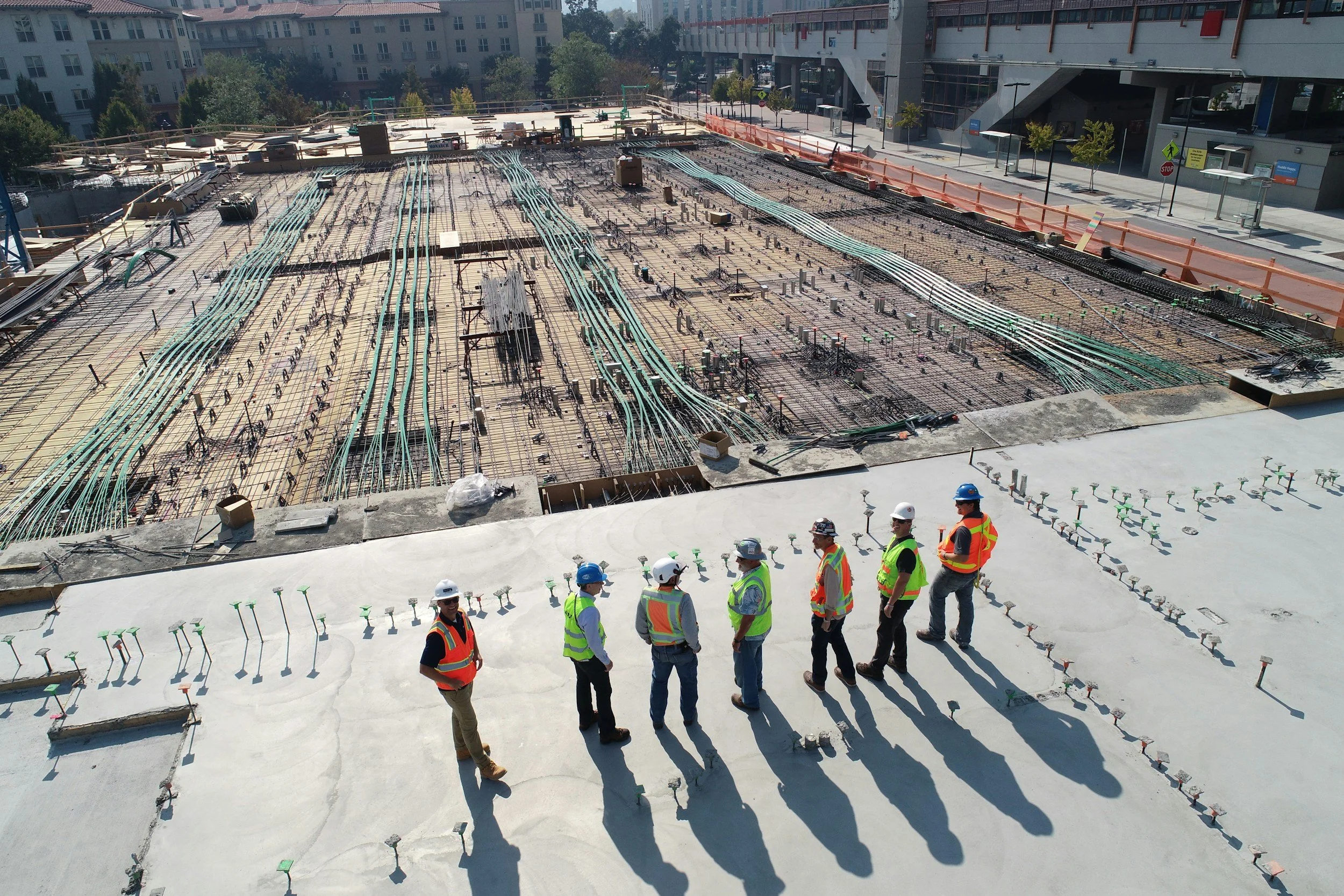
This unit of competency specifies the mandatory work health and safety training required prior to undertaking construction work. The unit requires the person to demonstrate personal awareness and knowledge of health and safety legislative requirements in order to work safely and prevent injury or harm to self and others. It covers identifying and orally reporting common construction hazards, understanding basic risk control measures, and identifying procedures for responding to potential incidents and emergencies. It also covers correctly selecting and fitting common personal protective equipment (PPE) used for construction work.
training & assessment delivery
We use an online platform to deliver our resources and assessments. After you enrol, you will receive an invite from the platform, prompting you to log in. You will have access to the theory section right away. We recommend this is completed prior to attendance, however, you will have the opportunity to complete this with your trainer if preferred.
All practical training and assessment will be delivered in-person with your trainer. Tasks/forms relating to the practical elements will be released to you in the platform upon attendance.
If preferred, we can provide paper copies of all resources and assessments.
What you will learn & how you will be assessed
To successfully complete this unit, you will need to demonstrate that you understand and can apply basic health and safety requirements when working in the construction industry.
You will be required to demonstrate that you can:
Identify and verbally report two construction hazards
Explain how risks associated with those hazards can be reduced or removed
Select and correctly fit appropriate PPE, including:
Eye protection
Hearing protection
Hard hat
High visibility vest, shirt or jacket
Explain basic procedures for responding to incidents and emergencies
Identify the types and purposes of common fire safety equipment, including fire blankets, fire extinguishers and hose reels
Identify and explain the meaning of required safety signs, symbols and tags
Explain the purpose of JSAs, SWMS and SDS
Explain the roles of first aid officers, WHS representatives, WHS committee members and supervisors
Apply basic workplace health and safety practices
You will need knowledge of:
Basic duty of care and the rights and responsibilities of workers and employers
The meaning of hazard and risk
The five basic steps of risk management:
Identify the hazard
Assess the risk
Consult and report
Control the hazard
Review
How to access first aid
Common construction hazards, including asbestos, confined spaces, electricity, excavations, dust, falling objects, hazardous substances, manual handling, noise, plant and traffic, working at heights, UV radiation and structural collapse
Construction work requiring a high-risk work licence
Construction PPE, including safety footwear, harnesses, respiratory protection and UV protection
Construction emergencies, including fires, chemical spills, injuries, structural collapse, hazardous vapours and plant or vehicle accidents
Construction incidents and near misses and their reporting requirements
Safe work practices, including housekeeping, waste management, site amenities, PPE use and reporting hazards and incidents
Workplace requirements relating to drugs, alcohol, bullying, harassment and smoking
Safety signs, symbols and tags, including emergency, fire, hazard, regulatory, danger and out-of-service signs
Assessment will include a combination of practical demonstration, oral questioning and written reporting. You will need access to the required PPE and the relevant state or territory WHS legislation for the location where you are undertaking the training. Your practical performance must be directly observed by an assessor, either in person or through real-time audio and visual technology.
Requirements & prerequisites
Participants will need to demonstrate sufficient Language, Literacy, Numeracy and Digital (LLND) skills. Please advise us if you have any LLND concerns or issues as support is available and adjustments can be made to ensure you are not disadvantaged in completing this course.
Participants will require a Unique Student Identifier (USI) number. If you have completed any Nationally Recognised Training from 2015 onwards, you may already have one. You can locate or create your USI number here.
Location
This course is delivered at 33 North Jindong Road, Carbunup.
There are multiple businesses operating at this facility, so students need to be mindful of traffic, follow the posted speed limits and follow signage directing to the training area.
Please contact us for on-site bookings.
Duration
The duration for this course is 6 hours.
Fees
Standard Fee: $150 | With CTF Rebate: $100
Please contact us to enquire about payment plan options.
Accreditation
Participants will be issued with a nationally recognised Statement of Attainment via email within 14 days of completing the course. Payment is required before any certification can be issued.
cancellation policy
We are a small business, and the costs to run our courses can be high. If you need to cancel or reschedule your booking, we need to be notified so we can make adjustments or invite another student to fill your spot. To view our full cancellation policy, please refer to our Student Handbook below.
Dress code
Students need to wear long-sleeved clothing and steel-capped boots. Hi-Vis vests, hard hats and ear protection will be provided where required.
how to enrol
Select the calendar to see our list of upcoming course dates. Select the course you would like to join and proceed with completing the enrolment form. You will then receive a booking confirmation email, followed by an invoice. If you cannot attend any of the listed dates, or don’t see the course you would like to book listed, please contact us so we can arrange a course for you.
We encourage you to read our Student Handbook and to contact us with any questions prior to enrolling.
Are you eligible for the CTF Rebate?

If you’re currently working in the civil construction industry, you may qualify for the CTF (Construction Training Fund) subsidy.
Please click below for more information on the CTF subsidy and to see if you qualify.